
And more importantly, could they actually make your knee worse?
A new article was just published on Medscape that looked at the effectiveness of knee Arthroscopy surgery. Specifically, they were looking at people who had degeneration or small tears in the meniscus (cartilage). Surgery is commonly prescribed for people with knee pain who have this finding show up on an MRI.
The article reports 10-year follow-up results from the FIDELITY study, which tested whether arthroscopic partial meniscectomy, a common knee surgery, helps people with a degenerative meniscal tear. In this procedure, surgeons remove damaged pieces of cartilage from the knee. The researchers wanted to know whether this surgery actually improves pain and function over the long term, or whether it offers no real advantage. Medscape
To study this fairly, the trial used a sham surgery comparison. That means some patients had the real surgery, while others went through a fake version in which the surgeon copied the motions of surgery but did not actually remove any meniscus tissue. This matters because it helps separate the true medical effect of the operation from the placebo effect, where people may feel better simply because they believe they were treated. Medscape
The study included 146 patients between ages 35 and 65. Earlier results after 1 year had already shown no meaningful difference between the real-surgery group and the sham-surgery group in knee function, quality of life, or pain after exercise. The new 10-year follow-up showed that this lack of benefit continued over time. According to the article, there were no significant differences in any of the three main outcomes measured between the two groups after a decade. Medscape
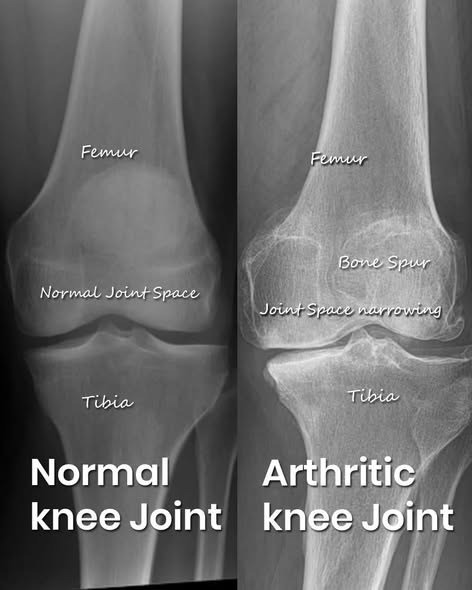
One of the most important findings was that the surgery may not just be unhelpful, but possibly harmful. Among the 133 patients who were assessed at the 10-year mark, 22% of those who had the real surgery developed clinical knee osteoarthritis, compared with 19% in the sham-surgery group. The article also says that radiographic progression of osteoarthritis was higher in the surgery group, at 81%, compared with 70% in the sham group. Medscape
The lead researcher, Teppo Jarvinen, said the earlier 5-year results had already suggested no real benefit, but the signs of harm became more striking by 10 years. In the article, he describes how the surgery group seemed to do similarly at first, but then their outcomes worsened later on. This is important because it suggests the surgery might speed up wear and tear in the knee instead of protecting it. Medscape
Another expert quoted in the article, Rachelle Buchbinder, said these results fit with other evidence showing that arthroscopy does not help this type of knee problem. She explained that doctors once thought the surgery worked like “cleaning out” the joint, but the newer evidence suggests the opposite may be true. Instead of fixing the problem, removing tissue may disturb the knee and make degeneration happen faster. Medscape
The bigger message of the study is that more treatment is not always better treatment. Even though surgery can seem like a stronger or more direct fix, this research suggests that for degenerative meniscal tears, it does not improve long-term results compared with a placebo procedure. Because this was a placebo-controlled trial, the evidence is especially strong: it reduces the chance that the results were caused by patient expectations alone. Medscape
The easiest takeaway is this: the study found that knee arthroscopy did not help patients feel or function better in the long run, and it may have increased the risk of arthritis getting worse. That makes the research important for both doctors and patients, because it challenges a surgery that has been widely used for years. In simple terms, the study says that a common operation for age-related meniscus damage may not only fail to help, but could actually leave the knee worse off over time. Medscape