
Ok I know this is super early stage, and it’s only been tested in animals so we can’t read too much into it.
Buuuuuttttttt…..
the early signs are very promising! And at the very least they provide a pathway to future research. To read the original article, click here.
To date, the way we try to help people with arthritis is either medications from doctors, or treatment from Osteopaths aimed at improving joint mobility and exercises to increase joint stability so that people can maintain normal function. But none of these can actually reverse the effects of arthritis, eg regrow worn down cartilage.
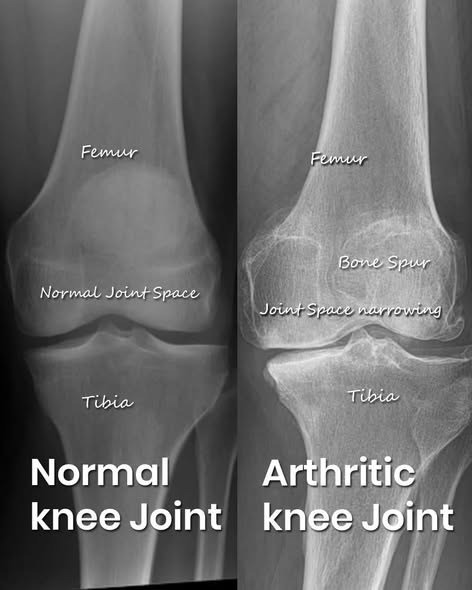
This new article reports on an experimental osteoarthritis treatment that aims to do something much more ambitious than ordinary pain relief: actually help damaged joints repair themselves. The researchers describe two new therapies, with the headline result being that a single injection restored arthritic joints to a healthy state within weeks in animal studies. That is why the story is getting attention – it suggests a possible shift from managing symptoms to trying to reverse the disease itself. ScienceDaily
The first treatment uses an FDA-approved drug delivered in a new way. Instead of a one-off dose that quickly fades, the team built a particle-based delivery system that can be injected into a joint and then release the drug gradually over several months. The idea is to create a longer-lasting healing effect inside the joint, rather than offering only short-term symptom control. ScienceDaily
The second treatment is designed for more serious cartilage or bone damage. It uses engineered proteins placed into the damaged area during an arthroscopic procedure, where the material hardens and helps attract the body’s own progenitor cells to repair the defect. In the report, the researchers say this approach led to full regeneration and repair of cartilage and bone defects in the animal work they described. ScienceDaily
What makes the findings especially notable is that the therapies were not only promising in animals, but also showed regenerative effects in human cells taken from patients undergoing joint replacement. Even so, this is still very early-stage research. The study results highlighted here have not yet translated into proven treatment for everyday patients, and the team says it plans to publish the animal data in a peer-reviewed journal later this year, with human clinical trials possibly beginning in about 18 months if progress continues. ScienceDaily
For the average person, the most important takeaway is hope, not immediate availability. If you have osteoarthritis, this article does not mean there is a new injection you can book now that will reverse your condition. It does mean researchers are actively working on treatments that may one day reduce the gap between painkillers on one side and major joint replacement surgery on the other. ScienceDaily
The practical action steps right now are more grounded: stay physically active within your limits, keep a healthy body weight if possible, and seek early assessment for persistent joint pain rather than waiting until movement becomes severely limited. Structured exercise, strength work, and physical therapy remain the main evidence-based ways many people can reduce pain and maintain function while research like this is still developing. If symptoms are worsening, it is worth asking a clinician about the full range of current options, including rehabilitation, medication, injections already in use, and whether imaging or specialist review is appropriate.
The article is exciting, but it should be read with one important caution: animal success is not the same as proven human benefit. Many treatments that look dramatic in early studies do not end up working as well, as safely, or as consistently in real patients. The sensible response is to treat this as a promising glimpse of where osteoarthritis care may be heading – and in the meantime focus on the current basics that are actually available: movement, strength, weight management, symptom monitoring, and early medical advice when pain starts interfering with daily life.